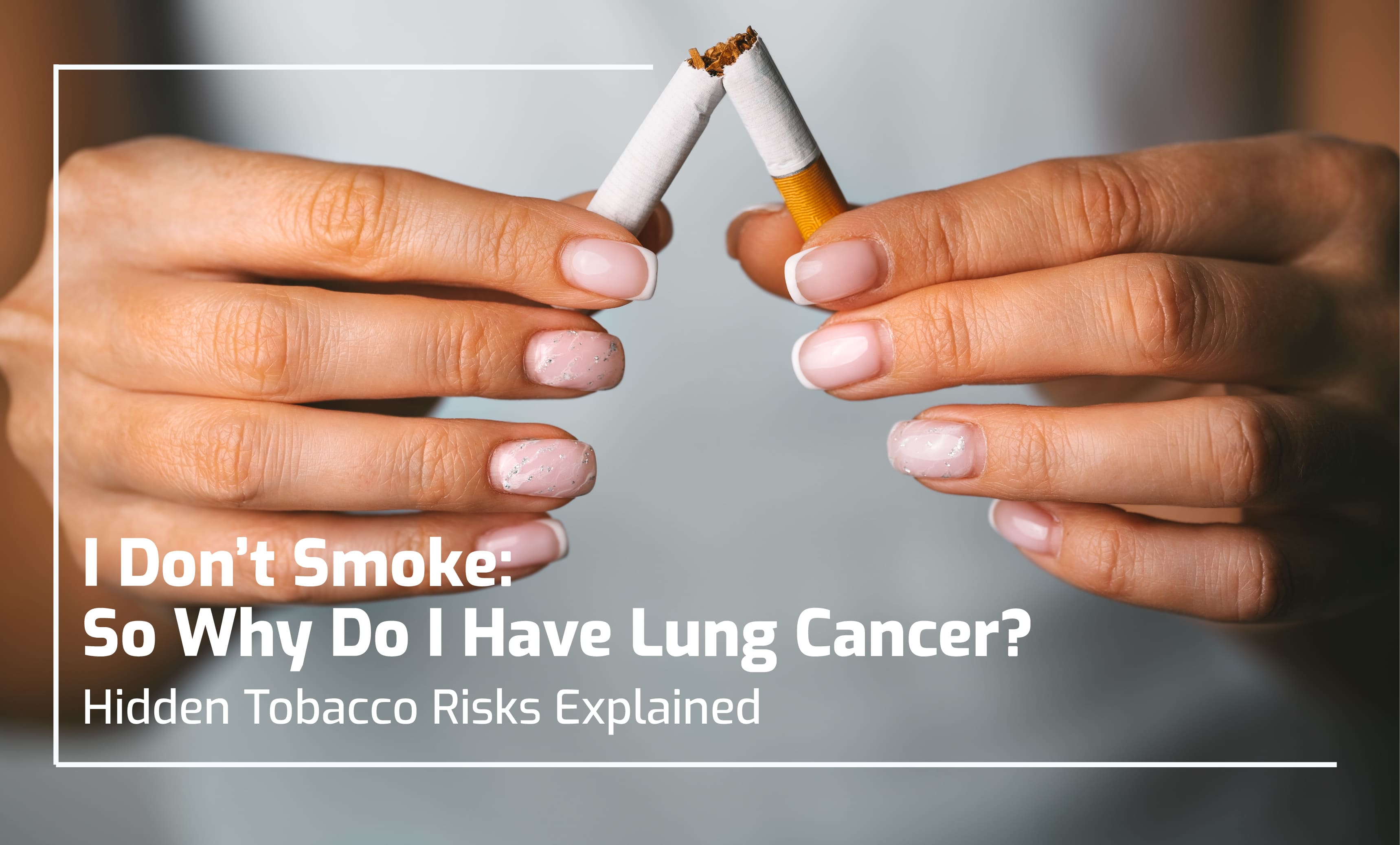
Hidden Tobacco Risks & Lung Cancer in Non-Smokers | Dr. Sanjay Sharma Mumbai
For many years, lung cancer has been strongly linked with smoking. Most people believe that only smokers develop lung cancer, while non-smokers are completely safe from the disease. However, modern medical research and clinical experience tell a very different story. Today, doctors across the world are diagnosing lung cancer in people who have never smoked a single cigarette in their lives. This often leaves patients shocked, confused, and emotionally overwhelmed.
One of the most common questions patients ask is, “I never smoked, so why do I have lung cancer?” According to Dr. Sanjay Sharma, lung cancer in non-smokers is becoming increasingly common due to hidden tobacco exposure, rising pollution levels, environmental toxins, and genetic factors. In busy urban cities like Mumbai, many individuals are unknowingly exposed to harmful substances every day that can slowly damage the lungs over time.
Understanding these hidden risks is extremely important because awareness leads to early diagnosis, timely treatment, and better survival outcomes. Many non-smokers ignore symptoms because they assume they are not at risk, which can delay medical attention and make treatment more difficult later. This is why awareness about hidden tobacco risks and non-smoking-related lung cancer is now more important than ever before.
Lung Cancer Is Not Just a Smoker’s Disease
Lung cancer develops when abnormal cells inside the lungs begin growing uncontrollably. Over time, these cells form tumors that interfere with normal breathing and may spread to other parts of the body. Smoking remains one of the biggest causes of lung cancer, but it is no longer the only cause.
According to Dr. Sanjay Sharma, a significant number of lung cancer patients seen today are non-smokers. Many of these patients are women, young adults, or individuals who have spent years living or working in environments filled with hidden pollutants and toxic substances.
Medical experts now recognize lung cancer in non-smokers as a growing health concern worldwide. In fact, if lung cancer in non-smokers were classified separately, it would still rank among the leading causes of cancer-related deaths globally. This clearly shows that smoking is not the only factor responsible for lung cancer.
Understanding Hidden Tobacco Exposure
Many people assume that avoiding cigarettes completely protects them from tobacco-related harm. Unfortunately hidden tobacco exposure can still affect non-smokers in serious ways. Exposure may happen silently over several years without causing obvious symptoms initially.
Second-hand Smoke: The Invisible Danger:
Second-hand smoke, also known as passive smoking, is one of the biggest hidden tobacco risks for non-smokers. This occurs when a person breathes in smoke released from cigarettes, cigars, or bidis used by others nearby.
People commonly experience second-hand smoke exposure in:
- Homes
- Offices
- Public spaces
- Restaurants
- Vehicles
- Social gatherings
According to Dr. Sanjay Sharma, long-term passive smoking can significantly increase the risk of lung cancer, especially when exposure continues daily over several years.
Second-hand smoke contains thousands of toxic chemicals, many of which are known cancer-causing substances. These harmful chemicals enter the lungs and bloodstream, causing gradual damage to healthy lung tissue.
Children exposed to smoking at home are especially vulnerable because their lungs are still developing. Similarly, spouses and family members of smokers often face higher cancer risks despite never smoking themselves.
Third hand Smoke: A Hidden Risk Inside Your Home
Many people are unaware of third hand smoke, which refers to toxic tobacco particles left behind on surfaces after smoking. Even when smoke disappears from the air, dangerous chemicals remain trapped in furniture, curtains, carpets, walls, bedsheets, and clothing.
These particles can stay for weeks or even months and continue releasing harmful toxins into the environment.
According to Dr. Sanjay Sharma, third hand smoke exposure may silently damage the lungs over time, especially in children, elderly individuals, and people with existing respiratory conditions.
This means that even smoking outside the house may not completely eliminate risk because tobacco particles can still enter indoor spaces through clothes and skin.
Air Pollution and Rising Lung Cancer Cases
Air pollution has become a major health problem in urban cities across India. Mumbai’s growing traffic, industrial activities, construction work, and dense population contribute heavily to poor air quality.
Polluted air contains microscopic harmful particles that can travel deep into the lungs and damage cells over time. Long-term exposure to polluted air has now been linked to increased lung cancer risk, even in people who have never smoked.
According to Dr. Sanjay Sharma, many non-smoker lung cancer patients have histories of prolonged exposure to polluted environments.
Common pollution sources include:
- Vehicle exhaust fame
- Construction dust
- Factory emission
- Diesel smoke
- Burning garbage
- Industrial chemicals
When inhaled repeatedly, these pollutants can trigger chronic inflammation, DNA damage, and abnormal cell growth inside the lungs.
Indoor Pollution Can Also Damage Your Lungs
Many people think pollution exists only outdoors, but indoor pollution is equally dangerous. Poorly ventilated homes and workplaces can trap harmful smoke and chemicals indoors for long periods.
Indoor pollution sources include:
- Cooking smoke
- Wood-burning stoves
- Incense sticks
- Mosquito coils
- Household cleaning chemicals
- Paint fumes
Women who spend long hours in poorly ventilated kitchens may unknowingly inhale harmful smoke daily. Over time, continuous exposure may contribute to respiratory diseases and lung cancer risk.
Occupational Hazards and Workplace Exposure
Certain occupations expose workers to dangerous substances that increase lung cancer risk. Many individuals inhale toxic chemicals at workplaces for years without realizing the long-term consequences.
High-risk professions include:
- Construction workers
- Factory employees
- Welders
- Painters
- Textile workers
- Miners
- Chemical industry workers
Exposure to asbestos, silica dust, diesel exhaust, and industrial fumes can slowly damage lung tissue and increase cancer risk. Dr. Sanjay Sharma advises individuals working in high-risk environments to use proper protective equipment and undergo regular health checkups.
Can Genetics Cause Lung Cancer?
Genetics can also play a role in lung cancer development. Some people inherit genetic mutations that make them more vulnerable to cancer-causing substances in the environment.
This means that even small amounts of exposure to pollutants or tobacco toxins may trigger abnormal cell growth in genetically susceptible individuals.
Patients with family histories of lung cancer should remain especially alert to respiratory symptoms and seek regular medical evaluations if necessary.
Symptoms of Lung Cancer in Non-Smokers
One of the biggest reasons lung cancer in non-smokers gets diagnosed late is because symptoms are often ignored or mistaken for common respiratory infections.
According to Dr. Sanjay Sharma, recognizing symptoms early can significantly improve treatment outcomes.
Common Symptoms Include:
- Persistent Cough: A cough lasting more than two or three weeks should never be ignored.
- Shortness of Breath: Difficulty breathing during normal activities may indicate lung problems.
- Chest Pain: Persistent chest discomfort or heaviness requires medical evaluation.
- Blood in Cough: Even small traces of blood in sputum should be treated seriously.
- Frequent Chest Infections: Repeated pneumonia or bronchitis may indicate an underlying issue.
- Unexplained Weight Loss: Sudden weight loss without trying may signal cancer.
- Fatigue and Weakness: Constant tiredness can occur when lung function becomes affected.
Why Lung Cancer in Non-Smokers Is Often Diagnosed Late?
Non-smokers usually do not consider themselves at risk for lung cancer. Because of this, symptoms are often ignored until they become severe.
In many cases, symptoms are initially mistaken for:
- Allergies
- Asthma
- Acid reflux
- Viral infections
- Tuberculosis
This delay can allow cancer to progress to more advanced stages before diagnosis.
According to Dr. Sanjay Sharma, increasing awareness among non-smokers is extremely important because early diagnosis leads to better survival rates and more treatment options.
Types of Lung Cancer Commonly Seen in Non-Smokers
The most common lung cancer type seen in non-smokers is adenocarcinoma. This cancer usually develops in the outer parts of the lungs and may grow silently for a long time before symptoms appear.
Modern advances in molecular testing now help doctors identify specific genetic mutations inside tumors. These discoveries have revolutionized treatment by allowing personalized therapies tailored to each patient’s cancer profile.
Advanced Treatment Options for Lung Cancer
Lung cancer treatment has improved tremendously over the past decade. Today, many patients are living longer and healthier lives because of modern treatment approaches.
According to Dr. Sanjay Sharma, treatment plans are now personalized based on cancer stage, tumor type, genetic mutations, and overall patient health.
- Surgery: Early-stage tumors may be removed surgically
- Chemotherapy: Powerful medicines help destroy cancer cells
- Radiation therapy: High-energy radiation targets and shrinks tumors
- Targeted Therapy: Special medicines attack cancer cells with specific mutations
- Immunotherapy: This treatment strengthens the body’s immune system to fight cancer more effectively.
These advanced therapies have significantly improved outcomes for many lung cancer patients.
Can Lung Cancer Be Prevented?
Although not every case can be prevented, reducing exposure to harmful substances can lower lung cancer risk considerably
According to Dr. Sanjay Sharma, prevention starts with awareness and healthy lifestyle choices.
Important Prevention Tips
- Avoid smoking and passive smoking
- Maintain smoke-free homes
- Improve indoor ventilation
- Use protective masks in polluted areas
- Exercise regularly
- Eat a balanced diet rich in fruits and vegetables
- Seek medical help for persistent respiratory symptoms
- Undergo regular health screenings if at high risk
Emotional Impact of Lung Cancer in Non-Smokers
Receiving a lung cancer diagnosis as a non-smoker can be emotionally devastating. Many patients feel confused because they associate lung cancer only with smoking.
Patients often face questions like:
- “But you never smoked.”
- “How did this happen?”
- “Are you sure it’s lung cancer?”
This social misunderstanding can create emotional stress and feelings of isolation.
Support from family members, counselors, and experienced cancer specialists becomes extremely important during treatment and recovery.
Importance of Early Screening and Medical Consultation
Early detection remains one of the most powerful tools against lung cancer. Individuals exposed to pollution, passive smoke, workplace toxins, or family history should discuss screening options with a specialist.
Low-dose CT scans may help identify lung cancer in earlier stages before symptoms become severe.
People searching for a trusted Lung cancer specialist in Cumballa Hospital, an experienced Best lung cancer doctor in Mumbai, or a reliable Lung cancer doctor in Bandra should seek timely consultation for proper evaluation and guidance.
Why Choosing the Right Specialist Matters?
Lung cancer treatment requires a multidisciplinary and highly personalized approach. Accurate diagnosis, advanced testing, and modern therapies play a major role in treatment success.
Patients seeking expert care often consult Dr. Sanjay Sharma for comprehensive lung cancer evaluation and advanced treatment planning.
From early diagnosis to personalized treatment and long-term support, expert guidance can make a significant difference in patient outcomes and quality of life.
Lung cancer is no longer a disease seen only in smokers. Hidden tobacco exposure, passive smoking, pollution, workplace toxins, indoor smoke, and genetic factors are increasingly contributing to lung cancer cases in non-smokers.
The biggest danger is believing that “it cannot happen to me.”
According to Dr. Sanjay Sharma, awareness and early action are essential for protecting lung health and improving survival outcomes. Recognizing symptoms early and seeking expert medical care without delay can save lives.
If you or your loved one experiences persistent cough, breathing difficulty, chest pain, or unexplained fatigue, do not ignore the warning signs. Whether you are searching for the Best lung cancer doctor in Mumbai, a trusted Lung cancer specialist in Cumballa Hospital, or an experienced Lung cancer doctor in Bandra, timely consultation and proper treatment can make all the difference.
Recent Articles

Dense Breasts and Breast Cancer: When Is a Mammogram Not Enough? | Dr. Sanjay Sharma
Read More
How Quickly Should Breast Cancer Treatment Start After Diagnosis? | Dr. Sanjay Sharma
Read More