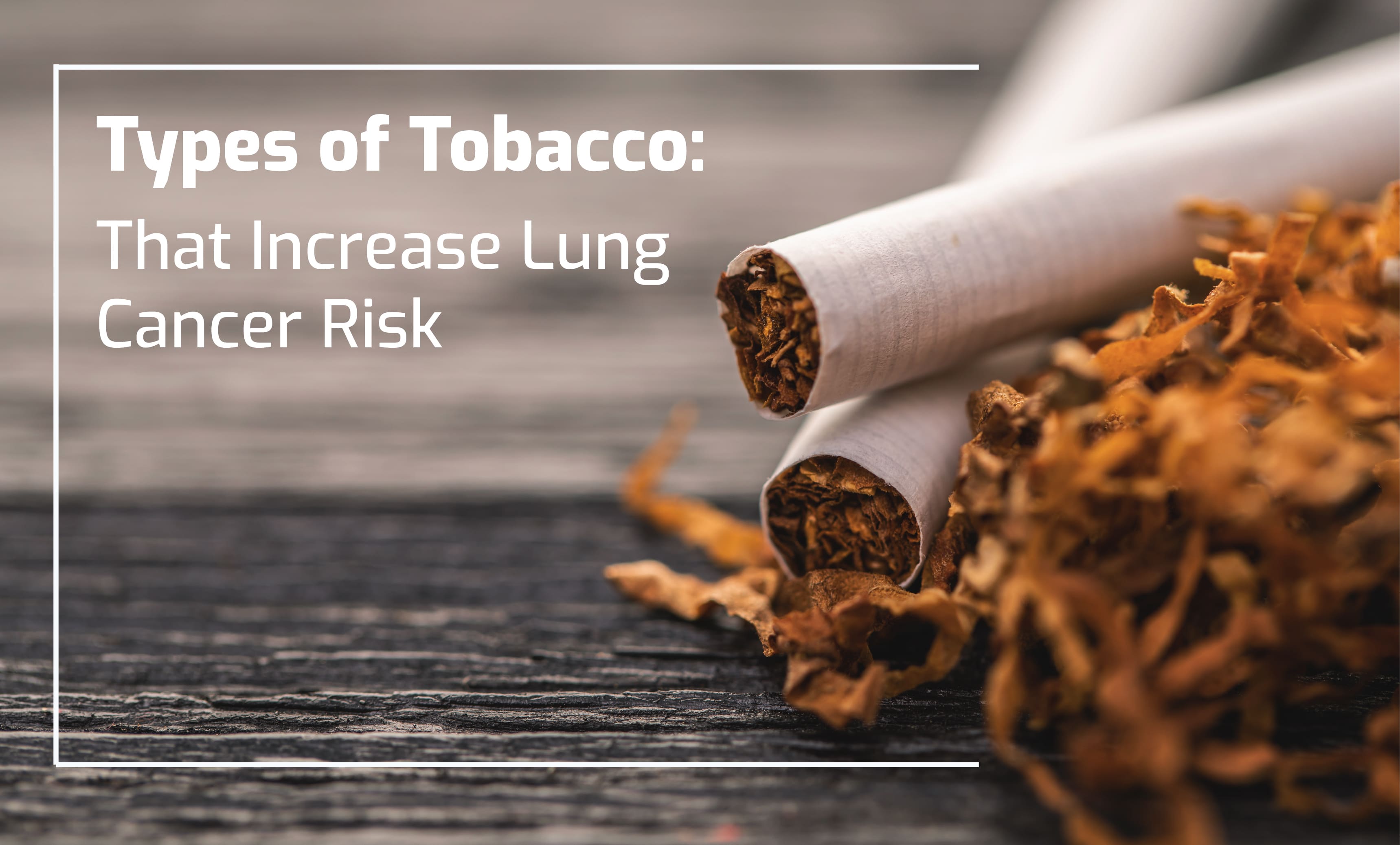
Types of Tobacco That Increase Lung Cancer Risk | Dr. Sanjay Sharma
Tobacco use is one of the biggest causes of lung cancer across the world. Every year, millions of people suffer from serious lung diseases because of smoking and tobacco consumption. While many people associate lung cancer only with cigarettes, the reality is that several forms of tobacco can increase the risk of developing this life-threatening disease. From bidis and hookah to chewing tobacco and vaping products, every form of tobacco carries harmful chemicals that damage the lungs over time.
In India, tobacco consumption is common in both urban and rural areas. Many people start tobacco use socially or casually without understanding the long-term consequences. Unfortunately, by the time symptoms appear, the disease may already be in an advanced stage. According to Dr. Sanjay Sharma, a renowned Lung cancer specialist in Cumballa Hospital, awareness and early diagnosis are critical in reducing lung cancer-related deaths.
How Tobacco Causes Lung Cancer?
Tobacco contains thousands of harmful chemicals, including several cancer-causing substances known as carcinogens. When tobacco smoke enters the lungs repeatedly, these chemicals damage healthy lung cells. Over time, this damage causes mutations in the DNA of cells, leading to uncontrolled cell growth and eventually lung cancer.
Smoking also weakens the lungs’ natural defense system. The tiny hair-like structures called cilia, which help remove toxins and mucus from the lungs, become damaged due to tobacco exposure. As toxins accumulate, the lungs become more vulnerable to infections, chronic inflammation, and cancer.
According to Dr. Sanjay Sharma, recognized as the Best lung cancer doctor in Mumbai, there is no safe level of tobacco use. Even occasional smoking or passive exposure can increase health risks over time.
Cigarettes and Lung Cancer Risk
Why Cigarettes Are Dangerous?
Cigarettes are the most common form of tobacco consumption worldwide and remain the leading cause of lung cancer. Cigarette smoke contains harmful substances such as nicotine, tar, carbon monoxide, arsenic, benzene, and formaldehyde. These chemicals directly damage lung tissue and increase the likelihood of cancer development.
The risk becomes higher with:
- Number of cigarettes smoked daily
- Duration of smoking habit
- Age at which smoking began
- Depth of inhalation
Heavy smokers are at the greatest risk, but even light smokers are not completely safe.
Passive Smoking and Its Effects
Secondhand smoke is also extremely harmful. Non-smokers exposed to cigarette smoke at home, work, or public places may inhale toxic chemicals unknowingly. Long-term passive smoking can increase the risk of lung cancer, especially in women and children.
As an experienced Lung cancer doctor in Bandra, Dr. Sanjay Sharma advises maintaining smoke-free homes and workplaces to protect family members from long-term respiratory complications.
Bidis: A More Harmful Alternative
What Are Bidis?
Bidis are thin tobacco rolls wrapped in tendu leaves and tied with a thread. They are widely used in India because they are inexpensive and easily available. Many people wrongly believe that bidis are safer than cigarettes because they are smaller and often lack filters.
Why Bidis Increase Lung Cancer Risk?
Bidis may actually be more harmful than cigarettes because:
- They contain high levels of nicotine and tar
- Smokers inhale more deeply to keep them lit
- They produce higher carbon monoxide levels
This deep inhalation allows toxic chemicals to penetrate further into the lungs, increasing the risk of lung cancer, chronic bronchitis, and other respiratory illnesses.
Research has shown that regular bidi smokers may face an equal or greater risk of lung cancer compared to cigarette smokers.
Hookah and Shisha Smoking
The Myth of Safer Smoking
Hookah or shisha smoking has become increasingly popular among young adults and teenagers. Many people believe that the water used in hookahs filters harmful substances from tobacco smoke. However, this belief is completely false.
Hookah smoke still contains:
- Nicotine
- Carbon monoxide
- Heavy metals
- Cancer-causing chemicals
In fact, a single hookah session can expose the body to large amounts of smoke over a prolonged period.
Health Risks of Hookah Smoking
Regular hookah use can lead to:
- Lung cancer
- Reduced lung fucntion
- Chronic cough
- Respiratory infections
- Heart disease
According to Dr. Sanjay Sharma, the Best lung cancer doctor in Mumbai, the rising popularity of hookah lounges among younger populations is becoming a major public health concern.
Cigars and Pipe Tobacco
Are Cigars Safer Than Cigarettes?
Some people assume that cigars are safer because cigar smokers may not inhale smoke deeply. However, cigar smoke contains several toxic chemicals and carcinogens similar to cigarette smoke.
Long-term cigar smoking increases the risk of:
- Lung cancer
- Oral cancer
- Throat cancer
- Chronic lung disease
Even occasional cigar smoking can expose the lungs and respiratory tract to harmful substances.
Pipe Smoking Risks
Pipe smoking also damages the respiratory system. The smoke contains nicotine, tar, and other toxins that irritate lung tissues and increase cancer risk over time.
Smokeless Tobacco and Lung Cancer
Types of Smokeless Tobacco
Smokeless tobacco products commonly used in India include:
- Gutkha
- Khaini
- Pan masala with tobacco
- Chewing tobacco
- Snuff
Although these products are more commonly linked to oral cancer, they can also indirectly contribute to lung cancer and other serious health issues.
How Smokeless Tobacco Harms the Body?
Nicotine and harmful chemicals absorbed into the bloodstream can:
- Weaken immunity
- Cause chronic inflammation
- Increase the risk of multiple cancers
- Damage blood vessels and organs
People who combine smoking with smokeless tobacco use are at an even greater risk of developing severe health complications.
E-Cigarettes and Vaping
Understanding Vaping
E-cigarettes and vaping devices are often marketed as safer alternatives to traditional smoking. These devices heat liquid nicotine into an aerosol that users inhale.
However, vaping products may contain:
- Nicotine
- Toxic flavoring chemicals
- Heavy metals
- Fine particles harmful to lung tissue
Can Vaping Cause Lung Damage?
Although research is still ongoing, studies suggest that vaping can:
- Irritate lung tissues
- Cause inflammation
- Increase respiratory problems
- Potentially increase cancer risk
As a leading Lung cancer specialist in Cumballa Hospital, Dr. Sanjay Sharma advises people not to consider vaping harmless, especially young adults and teenagers.
Symptoms of Tobacco-Related Lung Cancer
One of the biggest dangers of lung cancer is that symptoms often appear late. Early symptoms may seem minor and are frequently ignored.
Common Warning Signs Include
- Persistent cough lasting more than a few weeks
- Blood in sputum
- Chest pain
- Shortness of breath
- Wheezing
- Hoarseness of voice
- Frequent chest infections
- Unexplained weight loss
- Fatigue and weakness
If these symptoms persist, immediate medical consultation is important.
According to Dr. Sanjay Sharma, a trusted Lung cancer doctor in Bandra, early detection greatly improves treatment success and survival rates.
Who Is at High Risk of Lung Cancer?
Certain groups face a higher risk of lung cancer, including:
- Long-term smokers
- Bidi smokers
- Hookah users
- Passive smokers
- People exposed to pollution and industrial chemicals
- Individuals with a family history of lung cancer
- Workers exposed to asbestos or harmful fumes
Even former smokers remain at risk for several years after quitting, although the risk gradually decreases over time.
Benefits of Quitting Tobacco
The Body Starts Healing Quickly
The human body begins recovering soon after tobacco cessation. Within weeks and months:
- Lung function improves
- Breathing becomes easier
- Circulation improves
- Oxygen levels normalize
Over time, the risk of lung cancer decreases significantly compared to people who continue smoking.
Mental and Financial Benefits
- Improves quality of life
- Reduces stress on the body
- Protects family members from passive smoke
- Saves money spent on tobacco products
Importance of Early Screening
Why Screening Matters?
Lung cancer detected early is often more treatable. Screening methods such as low-dose CT scans can help identify lung abnormalities before symptoms become severe.
Who Should Consider Screening?
Screening may be recommended for:
- Heavy smokers
- Long-term tobacco users
- Individuals above a certain age group
- People with persistent respiratory symptoms
Consulting an experienced specialist helps determine the right screening plan.
Tips to Protect Lung Health
1. Completely Avoid Tobacco: The most effective way to reduce lung cancer risk is to avoid all forms of tobacco.
2. Maintain a Healthy Lifestyle: Healthy habits include:
- Healthy habits include:
- Exercising regularly
- Staying hydrated
- Avoiding polluted environments
3. Regular Health Check-Ups: People with a history of tobacco use should undergo regular medical evaluations to detect problems early.
When Should You Consult a Lung Cancer Specialist?
Seek immediate medical advice if you:
- Have a long history of smoking
- Experience persistent cough
- Notice breathing difficulties
- Cough up blood
- Experience unexplained weight loss
Early consultation with an expert like Dr. Sanjay Sharma, a highly experienced Lung cancer specialist in Cumballa Hospital, can help in timely diagnosis and effective treatment planning.
All forms of tobacco whether cigarettes, bidis, hookah, cigars, chewing tobacco, or vaping products can increase the risk of lung cancer. There is no truly safe form of tobacco. Continuous exposure to harmful chemicals damages the lungs, weakens the immune system, and increases the chances of cancer development over time.
Awareness, early diagnosis, and complete tobacco cessation are the strongest tools in preventing lung cancer. Recognizing symptoms early and seeking expert medical guidance can save lives and improve treatment outcomes.
If you or your loved ones have a history of tobacco use or symptoms related to lung health, consult Dr. Sanjay Sharma, a trusted Lung cancer doctor in Bandra and Best lung cancer doctor in Mumbai, for expert evaluation, screening, and advanced lung cancer care.
Recent Articles
Dense Breasts and Breast Cancer: When Is a Mammogram Not Enough? | Dr. Sanjay Sharma
Read More
How Quickly Should Breast Cancer Treatment Start After Diagnosis? | Dr. Sanjay Sharma
Read More