
Does Stress Increase the Risk of Stomach Cancer?
Stomach cancer is a serious condition that affects thousands of people worldwide. While we often hear about factors like smoking, diet, and genetics playing a role in cancer development, one question remains- does stress contribute to stomach cancer? Many people believe that long –term stress can affect the body in harmful ways but does it actually increase the risk of developing the stomach cancer?
Understanding Stomach Cancer?
What is Stomach Cancer?
Stomach cancer, also known as gastric cancer, occurs when cancerous cells grow in the lining of the stomach. This type of cancer often develops slowly over many years. In the early stages, stomach cancer may not show noticeable symptoms, making it difficult to detect.
Types of Stomach Cancer:
There are several types of stomach cancer, including:
- Adenocarcinoma (most common, accounts for 90-95% of cases) – Begins in the mucus-producing cells of the stomach lining.
- Lymphoma – A rare type that affects the immune system cells in the stomach.
- Gastrointestinal Stromal Tumor (GIST) – Starts in the stomach’s connective tissue.
- Carcinoid Tumor – Develops in hormone-producing cells of the stomach.
Common Symptoms of Stomach Cancer:
Some warning signs of stomach cancer include:
- Persistent indigestion or heartburn
- Unexplained weight loss
- Stomach pain or discomfort
- Nausea or vomiting
- Loss of appetite
- feeling full even after eating a small amount
- blood in stools or black stools
If you experience any of these symptoms, it is important to consult a stomach cancer doctor as soon as possible. Early diagnosis can make a significant difference in treatment success.
Can Stress Cause Stomach Cancer?
Many people believe that stress is a direct cause of stomach cancer. While stress itself does not create cancer cells, it can weaken the immune system and make the body more vulnerable to diseases. Here’s how stress might contribute to stomach cancer risk:
1. Stress Affects Digestion:
When a person is under chronic stress, the body releases stress hormones like cortisol and adrenaline. These hormones can disrupt digestion, leading to acid reflux, gastritis (inflammation of the stomach lining), and ulcers. Long-term inflammation in the stomach can increase the risk of developing cancerous changes.
2. Stress Weakens the Immune System:
A strong immune system helps the body fight off abnormal cell growth. However, chronic stress can weaken immunity, making it harder for the body to defend itself against cancerous cells. People with weak immune systems are often more prone to infections.
3. Stress Promotes Unhealthy Lifestyle Habits:
People dealing with long-term stress often develop unhealthy habits such as:
- Smoking
- Drinking excessive alcohol
- Eating processed or junk food
- Lack of physical activity
- Poor sleep patterns
All of these factors can increase the risk of stomach cancer. Studies suggest that people who experience chronic stress are more likely to engage in these harmful behaviors, putting them at greater risk of developing serious diseases, including stomach cancer.
Reducing Stress to Lower Cancer Risk:
Managing stress effectively can improve your overall health and reduce the risk of serious illnesses. Here are some practical ways to keep stress levels under control:
1. Practice Mindfulness and Meditation:
Mindfulness and meditation help calm the mind, reduce anxiety, and improve emotional well-being. Studies show that meditation can lower cortisol levels and promote relaxation.
2. Maintain a Healthy Diet:
Eating a balanced diet rich in fruits, vegetables, whole grains, and lean proteins can strengthen the immune system and reduce inflammation in the body. Avoid processed and spicy foods that may irritate the stomach lining.
3. Exercise Regularly:
Physical activity releases endorphins, also known as "feel-good" hormones, which help reduce stress. Aim for at least 30 minutes of moderate exercise, such as walking, yoga, or cycling, five days a week.
4. Get Enough Sleep:
Poor sleep can increase stress levels and weaken the immune system. Try to get at least 7-8 hours of restful sleep each night. Maintaining a regular sleep schedule can improve overall well-being.
5. Seek Professional Help:
If stress becomes overwhelming, consider speaking to a therapist or counselor. Professional guidance can help manage anxiety, depression, and emotional struggles that contribute to stress.
6. Avoid Smoking and Excess Alcohol:
Both smoking and excessive alcohol consumption are major risk factors for stomach cancer. Quitting smoking and limiting alcohol intake can significantly lower the risk of digestive cancers.
According to Dr. Sanjay Sharma, the best stomach cancer specialist in Mumbai, stress does not directly cause stomach cancer but plays a crucial role in weakening the body’s defenses against it.
"Stress is often overlooked when discussing stomach cancer, but it affects overall health in many ways. Chronic stress can contribute to conditions like gastritis and ulcers, which, if left untreated, can increase cancer risk. Managing stress through lifestyle changes, regular screenings, and early medical intervention is essential in preventing stomach cancer."
Dr. Sharma advises people experiencing persistent stomach issues, indigestion, or unexplained weight loss to consult a stomach cancer doctor immediately. Early diagnosis is the key to successful treatment.
While stress may not directly cause stomach cancer, it certainly contributes to conditions that increase the risk. Chronic stress weakens the immune system, disrupts digestion, and promotes unhealthy habits—all of which can play a role in the development of cancer.
By managing stress effectively and maintaining a healthy lifestyle, you can protect yourself from various diseases, including stomach cancer. If you experience persistent stomach discomfort or symptoms, don’t wait—consult a stomach cancer doctor like Dr. Sanjay Sharma for expert guidance and timely treatment
Taking care of your mental and physical health today can go a long way in preventing serious illnesses in the future. Stay stress-free, stay healthy!
Recent Articles
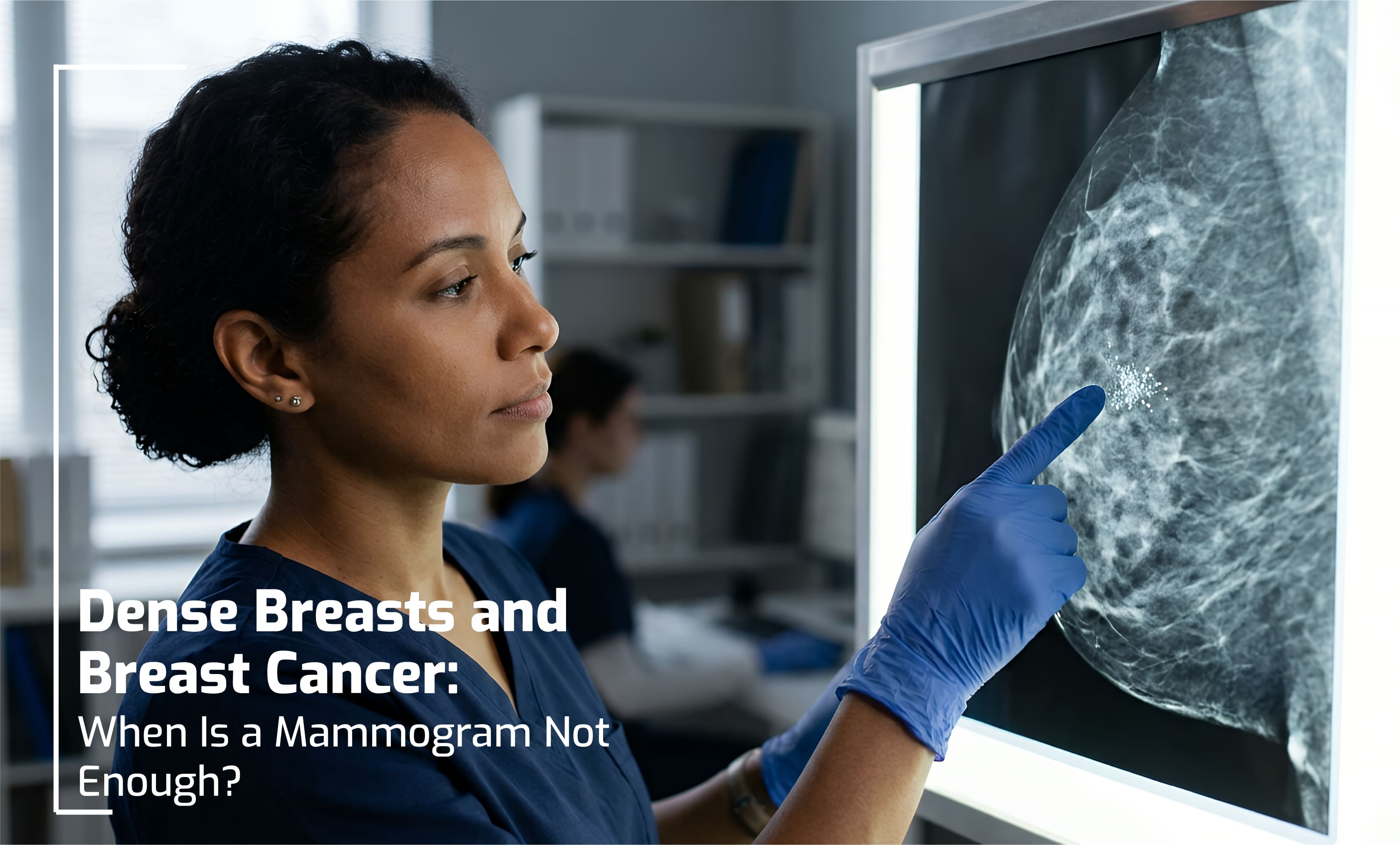
Dense Breasts and Breast Cancer: When Is a Mammogram Not Enough? | Dr. Sanjay Sharma
Read More
How Quickly Should Breast Cancer Treatment Start After Diagnosis? | Dr. Sanjay Sharma
Read More