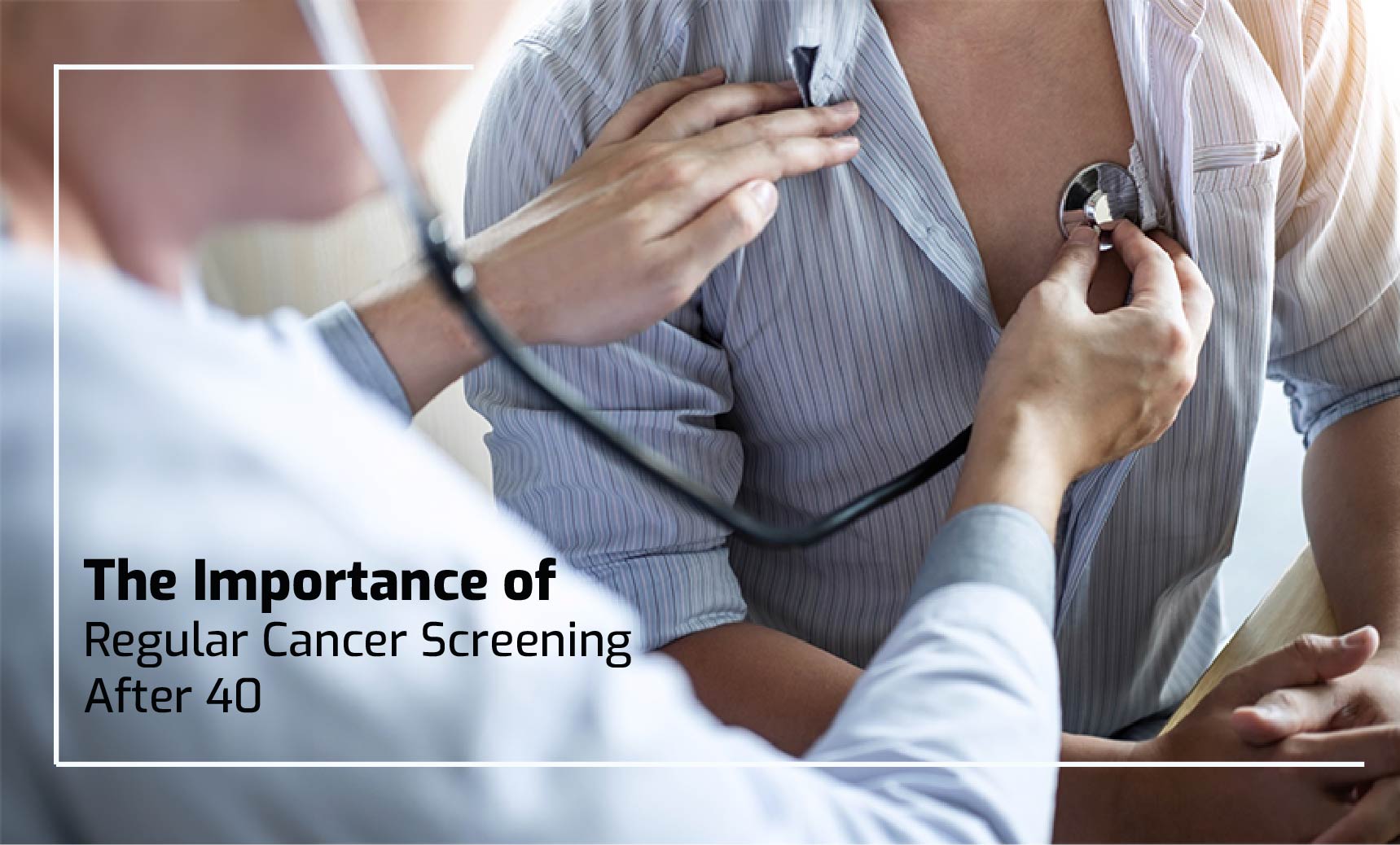
The Importance of Regular Cancer Screening After 40 | Dr Sanjay Sharma
There comes a time in life when health stops being something we take for granted. For many people, that moment arrives somewhere around the age of 40.
It may start with small things. You feel tired more often. Recovery takes longer. You notice aches that didn’t exist before. Or maybe you simply begin to think more about your future — your family, your responsibilities, your plans.
What most people don’t realize is that this stage of life is also when many diseases, especially cancer, quietly begin to appear. Not suddenly. Not loudly. But slowly, silently, and often without symptoms.
That is exactly why regular cancer screening after 40 matters so much.
When the Body Starts Changing?
The human body is remarkable. It repairs itself every day. Cells divide, regenerate, and heal damage constantly. But this system is not perfect forever.
As we grow older:
- Our immune system becomes weaker
- Cell repair slows down
- Hormonal balance changes
- The effects of pollution, smoking, alcohol, and poor food habits accumulate
- Stress becomes long-term rather than temporary
After decades of living, the body carries a history. And sometimes, hidden within that history, abnormal cells start growing where they shouldn’t.
Cancer does not usually arrive overnight. It develops over years. That is why the age of 40 becomes a turning point — not because cancer is guaranteed, but because the risk quietly increases.
Why Cancer Feels So Sudden?
One of the most frightening things about cancer is how unexpected it feels.
People often say:
“I was completely fine last month.”
“I didn’t feel sick at all.”
“I never imagined this could happen.”
The truth is, early cancer often causes no pain and no warning. It may grow quietly while life goes on as usual — work, family, routine, plans.
By the time symptoms appear, cancer may already be at an advanced stage.
This is what makes screening so powerful. It looks for disease before it announces itself.
What Cancer Screening Really Means?
Cancer screening is not about assuming the worst. It is about being curious about your own health.
It means:
- Checking for abnormal cells
- Looking for early changes
- Identifying risk before damage happens
It is like checking your blood pressure before a heart attack happens. Or testing sugar levels before diabetes causes complications.
Screening does not create cancer.
Screening does not mean you have cancer.
Screening simply gives information.
And information, in health, is power.
The Difference Between Early and Late Discovery
There is a world of difference between cancer found early and cancer found late.
When cancer is detected early:
- Treatment is simpler
- Recovery is faster
- Life feels more normal
- Chances of cure are much higher
When cancer is detected late:
- Treatment becomes complicated
- Side effects increase
- Hospital visits multiply
- Emotional and financial stress grows
This is why specialists like Dr Sanjay Sharma, surgical oncologist in Mumbai, often emphasize that early detection can change the entire journey of a patient.
Not because the disease is different — but because the timing is.
Why the Age of 40 Matters?
Forty is not old. But biologically, it is a checkpoint.
It is the age when:
- Risk factors start adding up
- Lifestyle habits show their effect
- Genetic tendencies begin to express themselves
- Silent diseases become more likely
Many cancers become more common after this age:
- Breast cancer
- Cervical cancer
- Colon cancer
- Prostate cancer
- Lung cancer
- Oral cancer
- Esophageal cancer
In India, esophageal cancer deserves special attention because of tobacco use, alcohol consumption, spicy food habits, and chronic acidity. That is why the role of an experienced Esophageal Cancer surgeon in Mumbai becomes important when risk factors or symptoms appear.
How Everyday Habits Add Up?
Cancer is rarely caused by just one thing. It is usually a result of small habits repeated over many years.
Things we normalize:
- Smoking one or two cigarettes
- Chewing tobacco occasionally
- Drinking alcohol socially
- Skipping exercise
- Eating outside food regularly
- Ignoring sleep
- Living with stress
Over time, these habits leave marks on the body. The damage is slow, but steady.
By 40, these effects have had enough time to settle in.
Screening is not about punishment for past habits.
It is about awareness for the future.
The Silent Cancers
Some cancers are especially dangerous because they stay quiet for long periods.
For example:
- Colon cancer may grow without pain
- Cervical cancer may show no symptoms
- Esophageal cancer may feel like simple acidity
- Prostate cancer may feel like aging
People assume:
“It’s just gas.”
“It’s just reflux.”
“It’s just stress.”
“It’s just age.”
And sometimes, those assumptions delay diagnosis.
That is why doctors like Dr Sanjay Sharma, cancer surgeon Mumbai, often stress that symptoms should never be the only trigger for medical attention. Screening should happen even when everything seems normal.
The Emotional Side of Screening
Many people avoid screening not because of money or time, but because of fear.
Fear of:
- Bad news
- Hospital
- Tests
- The word "cancer"
But fear does not protect us. Information does.
Ironically, not knowing often causes more anxiety than knowing. Regular screening brings:
- Mental relief
- A sense of control
- Confidence about one's health
It replaces imagination with facts.
Family History and Hidden Risk
Some people carry risk they cannot see.
If cancer runs in your family, your chances may be higher. This does not mean you will definitely get cancer. But it does mean you should be more careful.
Breast, ovarian, colon, and prostate cancers can run in families.
Doctors like Dr Sanjay Sharma, best surgical oncologist in Mumbai, often suggest earlier or more frequent screening for people with strong family history.
Genes load the gun. Lifestyle pulls the trigger.
Screening catches the bullet before damage happens.
Why Esophageal Cancer Needs Awareness?
Esophageal cancer often starts quietly.
Symptoms like:
- Difficulty swallowing
- Chest discomfort
- Food striking
- Weight loss
Appear late.
Risk factors are common:
- Tobacco
- Alcohol
- Acid reflux
- Hot beverages
- Poor diet
Because of this, people often reach an Esophageal Cancer surgeon in Mumbai when the disease is already advanced.
This makes awareness and screening in high-risk individuals especially important.
A good doctor:
- Does not scare
- Does not rush
- Explains simply
- Helps you decide
- Focuses on long-term health
Doctors like Dr Sanjay Sharma, surgical oncologist in Mumbai, are known for guiding patients through understanding risk, not just treating disease.
Screening Is Not Just for the Sick
One of the biggest myths is:
“I will screen when I feel unwell.”
But by then, screening is no longer screening — it becomes diagnosis.
True screening is for people who:
- Feel normal
- Live normal
- Work normally
It is about staying that way.
How Screening Protects Families?
Cancer does not affect only one person.
It affects:
- Spouse
- Children
- Parents
- Income
- Stability
Early detection:
- Shortens hospital stay
- Reduces emotional trauma
- Prevents financial collapse
- Protects family routine
Screening is not selfish.
It is an act of responsibility.
Lifestyle After 40
Screening works best with lifestyle changes.
Simple habits make powerful impact:
- Walking daily
- Eating fresh food
- Sleeping well
- Avoiding tabacco
- Limiting alcohol
- Managing stress
Screening looks for disease.
Lifestyle prevents it.
Together, they are strongest.
A Change in Mindset
Health after 40 requires a new mindset.
Not:
“I will go to doctor if something happens.”
But:
“I will go to doctor so nothing happens.”
That shift changes outcomes.
Cancer is frightening mainly because of how suddenly it appears.
But in reality, it does not appear suddenly. It grows slowly, silently, over time.
Screening shines a light into that silence.
Doctors like Dr Sanjay Sharma, best surgical oncologist in Mumbai, remind patients that cancer is no longer always a death sentence — but only when it is found early.
Whether guided by a trusted cancer surgeon Mumbai, a Bandra cancer doctor, or a Lilavati oncologist, the goal remains the same:
detect early, live longer.
After 40, your body deserves attention, not assumptions.
Regular cancer screening is not about fear.
It is about:
- Awareness
- Care
- Prevention
- Respect for life
You do not screen because you expect disease.
You screen because you value health.
Recent Articles
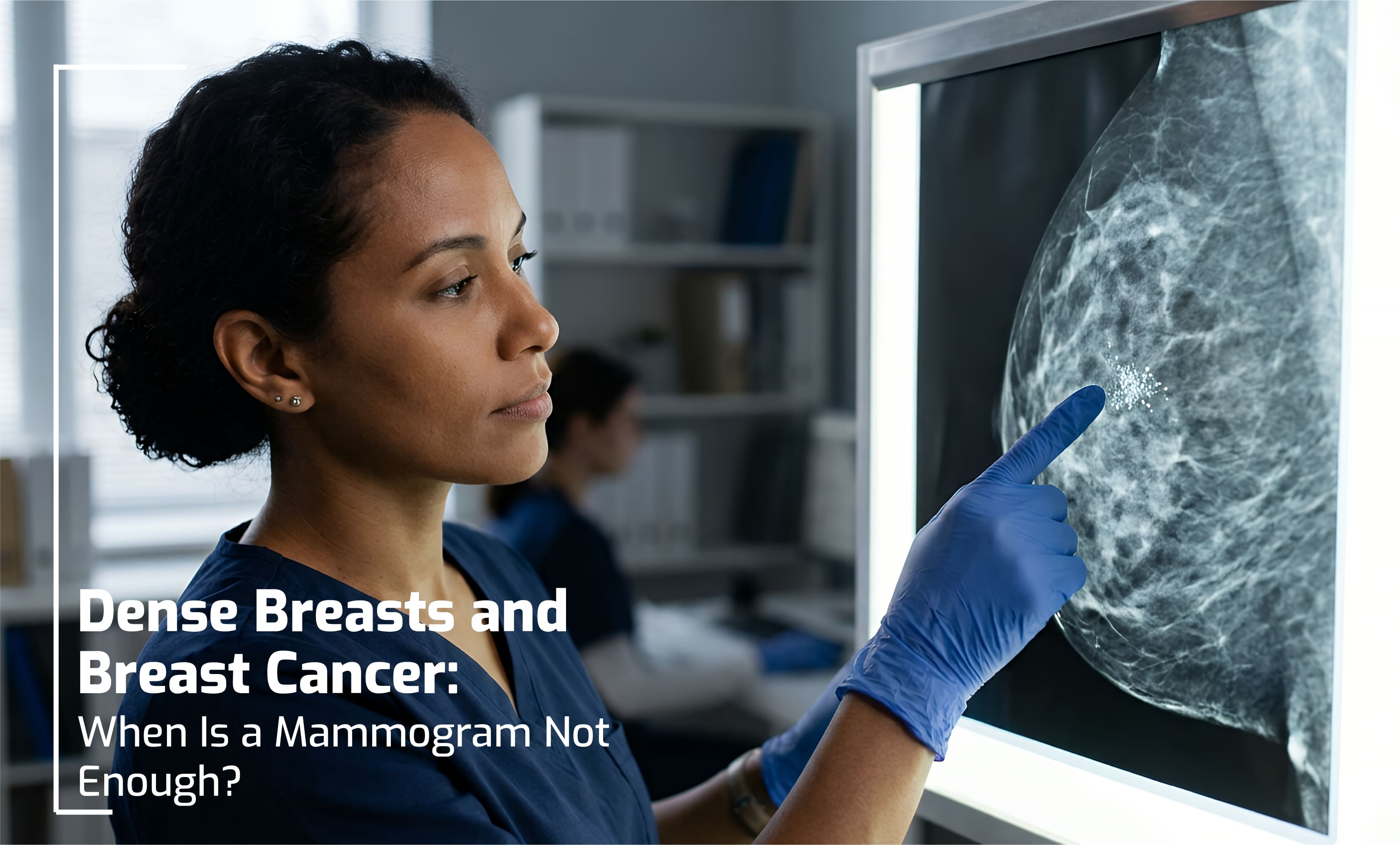
Dense Breasts and Breast Cancer: When Is a Mammogram Not Enough? | Dr. Sanjay Sharma
Read More
How Quickly Should Breast Cancer Treatment Start After Diagnosis? | Dr. Sanjay Sharma
Read More