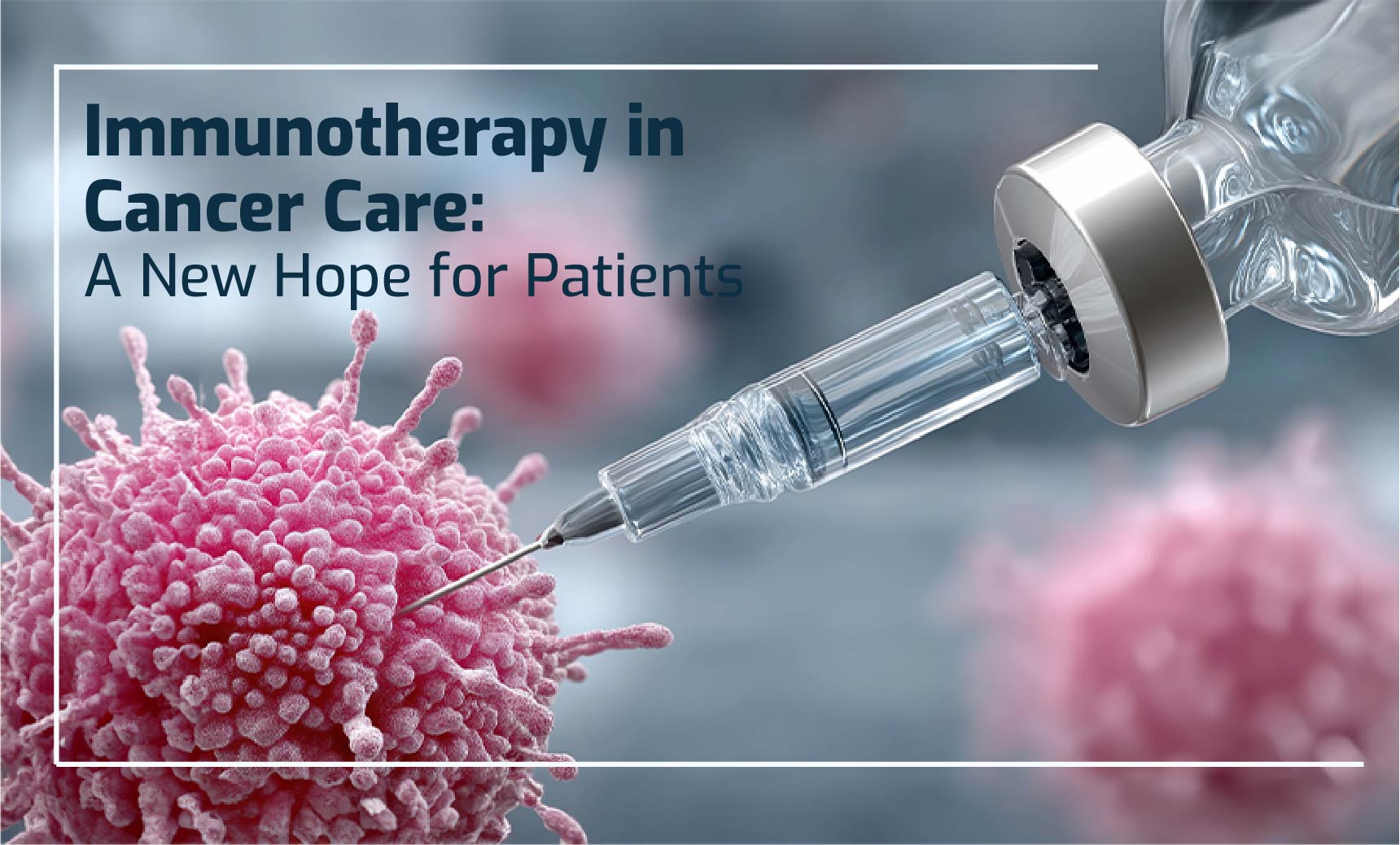
Immunotherapy in Cancer Care | Dr Sanjay Sharma Mumbai
Cancer has always been a frightening word. For many people, hearing a cancer diagnosis feels like the ground has disappeared beneath their feet. For decades, cancer treatment mainly depended on surgery, chemotherapy, and radiation. These treatments have saved millions of lives, but they are also known for their strong side effects and emotional toll on patients and families.
In recent years, however, a new form of treatment has changed the way doctors fight cancer. This treatment is called immunotherapy. Unlike traditional treatments that attack cancer cells directly, immunotherapy works by strengthening the body’s own immune system so it can recognize and destroy cancer cells naturally. Because of this, immunotherapy is often described as a “new hope” in cancer care.
Understanding the Immune System
Before understanding immunotherapy, it helps to understand the immune system.
Your immune system is like your body’s security team. It is always on duty, looking for harmful bacteria, viruses, and abnormal cells. When it finds something dangerous, it attacks and removes it. This is why we usually recover from infections.
Cancer, however, is different. Cancer cells come from normal body cells that change and grow in an uncontrolled way. Because they come from our own body, the immune system often fails to see them as enemies. Over time, cancer cells also learn tricks to hide from immune cells or even turn them off. This allows tumors to grow quietly without being stopped.
This is where immunotherapy plays a role. Immunotherapy helps the immune system see cancer clearly and gives it the strength to fight back.
What Exactly Is Immunotherapy?
Immunotherapy is a type of cancer treatment that uses the power of the immune system to fight cancer. Instead of killing cancer cells directly, it helps the immune system recognize cancer cells and attack them.
You can think of immunotherapy as teaching your body how to fight cancer properly.
Traditional treatments such as chemotherapy work by killing fast-growing cells. While this does kill cancer cells, it also harms healthy cells like hair cells and stomach lining, leading to hair loss, nausea, and weakness. Immunotherapy works differently. It tries to make the immune system smarter rather than stronger alone.
Many patients today receive immunotherapy along with surgery, chemotherapy, or radiation. This combined approach is often guided by an experienced surgical oncologist in Mumbai or a cancer surgeon Mumbai who understands how to use each treatment at the right time.
Why Immunotherapy Is Considered a Breakthrough?
Immunotherapy is considered a breakthrough because it has helped patients who previously had very limited treatment options. Some people whose cancers did not respond to chemotherapy have seen their tumors shrink after immunotherapy. Others have lived much longer than expected.
Doctors call this a “durable response,” meaning the benefits last for a long time, even after treatment stops.
For patients and families, immunotherapy represents hope. It does not mean cancer is easy to cure, but it means there is now another powerful tool in the fight.
How Immunotherapy Works in the Body?
Cancer cells use many tricks to survive. One trick is to send signals to immune cells telling them not to attack. These signals act like brakes on the immune system.
Immunotherapy removes these brakes.
Once the brakes are removed, immune cells wake up and start attacking cancer cells again. Some types of immunotherapy also help immune cells multiply so they can fight harder and longer. Other types train immune cells to look for specific cancer markers.
Because immunotherapy works with the immune system, its effects can continue even after the treatment ends. This is one reason why some patients remain cancer-free for years after therapy.
Different Forms of Immunotherapy
There is not just one kind of immunotherapy. There are several types, and each works in its own way.
Some immunotherapy medicines help immune cells recognize cancer. Others boost immune strength. Some modify immune cells in laboratories and then return them to the patient’s body. These advanced methods are mainly used for blood cancers, but research is expanding them to solid tumors too.
Some immunotherapy medicines help immune cells recognize cancer. Others boost immune strength. Some modify immune cells in laboratories and then return them to the patient’s body. These advanced methods are mainly used for blood cancers, but research is expanding them to solid tumors too.
There are also cancer vaccines. These are not vaccines that prevent cancer like childhood vaccines prevent measles. Cancer vaccines train the immune system to recognize and attack cancer cells and may help prevent the cancer from coming back.
How Immunotherapy Is Different from Chemotherapy?
Chemotherapy kills cancer cells directly, but it also kills healthy cells that divide quickly. This is why people experience hair loss, vomiting, and fatigue. Immunotherapy works by activating immune cells instead of directly poisoning cancer cells.
Chemotherapy kills cancer cells directly, but it also kills healthy cells that divide quickly. This is why people experience hair loss, vomiting, and fatigue. Immunotherapy works by activating immune cells instead of directly poisoning cancer cells.
Many patients prefer immunotherapy when possible because it allows them to maintain a better quality of life during treatment.
Side Effects of Immunotherapy
Even though immunotherapy is gentler than chemotherapy in many cases, it is not free from side effects. Since it stimulates the immune system, sometimes the immune system becomes too active and starts affecting normal organs.
Even though immunotherapy is gentler than chemotherapy in many cases, it is not free from side effects. Since it stimulates the immune system, sometimes the immune system becomes too active and starts affecting normal organs.
Most of these side effects can be treated if detected early. That is why immunotherapy should always be given under the care of a best cancer specialist in Mumbai or an experienced surgical oncologist in Mumbai who knows how to manage complications.
Cancers That Can Be Treated with Immunotherapy
Immunotherapy is now used in many cancers. These include lung cancer, melanoma, breast cancer, kidney cancer, bladder cancer, head and neck cancers, blood cancers, and esophageal cancer.
In esophageal cancer, immunotherapy is often used along with chemotherapy or after surgery. Because this cancer affects the food pipe and can spread quickly, treatment decisions must be made carefully. This is why patients often consult an Esophageal Cancer surgeon in Mumbai or a Cumballa Hill surgical oncologist to understand if immunotherapy is suitable for them.
Who Can Receive Immunotherapy?
Not every cancer patient is suitable for immunotherapy. Doctors look at the type of cancer, how advanced it is, and certain markers in the tumor. Some cancers respond very well to immunotherapy, while others respond less.
Tests can show whether a patient’s tumor is likely to respond. These tests help doctors decide whether immunotherapy should be part of the treatment plan.
This decision is usually made by a team that includes a medical oncologist and a cancer surgeon Mumbai who understands both surgery and modern drug treatments.
Immunotherapy and Surgery: Working Together
Many people think immunotherapy replaces surgery. This is not true. Surgery is still very important in removing solid tumors. Immunotherapy helps by killing leftover cancer cells and reducing the chance of recurrence.
In some cases, immunotherapy is given before surgery to shrink the tumor. In other cases, it is given after surgery to prevent cancer from returning. This combined approach is guided by specialists such as a best surgical oncologist in Mumbai or a Lilavati oncologist who understands when each method is needed.
Immunotherapy in Esophageal Cancer
Esophageal cancer can cause difficulty in swallowing, weight loss, and pain. Treatment usually involves surgery, chemotherapy, and radiation. Immunotherapy has recently added a new layer of hope for these patients.
Studies have shown that immunotherapy can improve survival in advanced esophageal cancer. It may also help prevent the disease from coming back after surgery. For this reason, consultation with an Esophageal Cancer surgeon in Mumbai or a Bandra cancer doctor who understands modern treatment protocols is very important.
Emotional Impact of Immunotherapy
Cancer is not just a physical disease. It affects emotions, family life, and mental health. Chemotherapy can make people feel weak and dependent. Immunotherapy, in many cases, allows patients to continue working, walking, and living more normally.
This psychological benefit is huge. Feeling stronger and more hopeful improves recovery. Knowing that the body itself is fighting cancer gives patients a sense of control.
The Future of Immunotherapy
Research on immunotherapy is moving fast. Scientists are working on better cancer vaccines, more precise immune drugs, and treatments that are personalized for each patient. In the future, doctors may design immunotherapy based on a person’s genetic and immune profile.
This means cancer treatment will become more tailored and less harmful. Immunotherapy is expected to become part of routine treatment for many cancers.
Why Doctor Experience Matters?
Immunotherapy is powerful, but it must be used correctly. Giving it at the wrong time or to the wrong patient can reduce its benefit or cause harm. That is why choosing the right doctor is important.
Specialists like Dr Sanjay Sharma, a surgical oncologist in Mumbai, understand how to combine surgery with immunotherapy. Guidance from a best cancer specialist in Mumbai ensures that treatment is safe, effective, and personalized.
Patients who visit a Lilavati oncologist, Bandra cancer doctor, or Cumballa Hill surgical oncologist often receive care based on global cancer guidelines and the latest research.
Immunotherapy has changed the story of cancer. Instead of only cutting or poisoning tumors, medicine now teaches the body to defend itself. This approach has turned fear into hope for many families.
While immunotherapy is not suitable for everyone, it has opened new doors for patients who once had very few options. When combined with surgery, chemotherapy, and radiation, it offers a more complete and powerful approach to treatment.
With experts such as Dr Sanjay Sharma, surgical oncologist in Mumbai, and other leading cancer surgeon Mumbai specialists guiding treatment, patients today have access to care that was impossible just a few years ago.
Immunotherapy is not just a treatment. It is a new way of thinking about cancer. It reminds us that the human body has strength, intelligence, and the ability to heal when given the right support. In this new era of cancer care, immunotherapy truly stands as a symbol of hope.
Recent Articles
Dense Breasts and Breast Cancer: When Is a Mammogram Not Enough? | Dr. Sanjay Sharma
Read More
How Quickly Should Breast Cancer Treatment Start After Diagnosis? | Dr. Sanjay Sharma
Read More