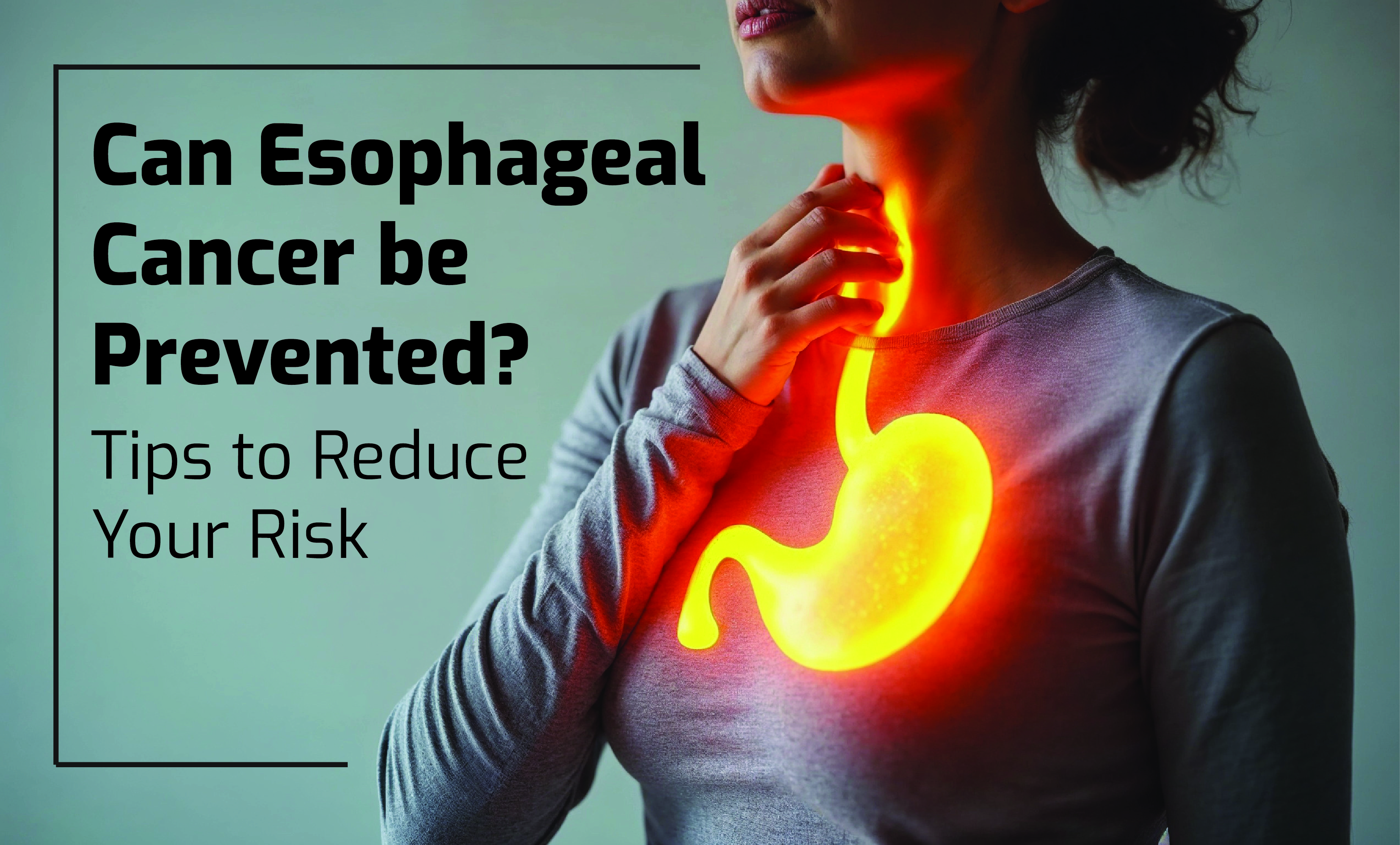
Can Esophageal Cancer Be Prevented? Tips for a Healthy Esophagus
Esophageal cancer is a serious disease that affects the esophagus, the tube that carries food and liquids from your mouth to your stomach. While it’s not always possible to prevent esophageal cancer entirely, there are many steps you can take to lower your risk.
What Causes Esophageal Cancer?
Esophageal cancer occurs when cells in the esophagus grow abnormally and form a tumor. Several factors can increase the likelihood of this happening, including:
- Smoking and Tobacco Use: Damages the esophageal lining and increases cancer risk.
- Alcohol Consumption: Excessive drinking, especially when combined with smoking, raises the risk
- Chronic Acid Reflux: Long-term acid reflux can lead to a condition called Barrett’s esophagus, a precursor to cancer.
- Obesity: Extra weight, particularly around the abdomen, contributes to acid reflux and increases risk
- Unhealthy Diet: A diet lacking fruits and vegetables deprives the body of essential nutrients.
- Very Hot Drinks: Regularly drinking beverages at very high temperatures can harm the esophagus.
- Age and Gender: The risk is higher in men and people over 50.
Can Esophageal Cancer be Prevented?
While there’s no guaranteed way to prevent esophageal cancer, many of its risk factors can be reduced with healthy lifestyle choices and regular medical care. Dr. Sanjay Sharma emphasizes the importance of early detection and lifestyle changes in lowering your risk.
Tips to Reduce your Risk:
- Quit Smoking and Tobacco Use: Smoking damages the cells in your esophagus, making it one of the leading causes of esophageal cancer. If you smoke or use tobacco, quitting is the most effective way to reduce your risk. Speak to a doctor or join a smoking cessation program to get started.
- Limit Alcohol Intake: Alcohol irritates the esophageal lining, especially when consumed in large quantities. Dr. Sanjay Sharma advises sticking to moderate drinking:
- For women: One drink per day
- For men: Two drinks per day
- Manage Acid Reflux: Chronic acid reflux, or GERD (gastroesophageal reflux disease), is a significant risk factor for esophageal cancer. To manage reflux:
- Avoid spicy, acidic, or fatty foods.
- Eat smaller meals.
- Don’t lie down immediately after eating
- Elevate the head of your bed while sleeping.
If you experience frequent reflux, consult a specialist like Dr. Sanjay Sharma for effective treatment.
- Maintain a Healthy Weight: Obesity increases your risk of esophageal cancer by contributing to acid reflux and inflammation. Maintaining a healthy weight through regular exercise and a balanced diet is essential. Simple activities like walking, cycling, or yoga can make a big difference.
- Follow a Nutritious Diet: A diet rich in fruits, vegetables, and whole grains can protect against esophageal cancer. Include:
- Fruits and Vegetables: Provide essential vitamins, minerals, and antioxidants.
- Whole Grains: Support digestion and overall health
- Healthy Fats: Found in nuts, seeds, and fish.
Avoid processed and fried foods, red meat, and sugary snacks.
- Let Hot Drinks Cool Down: Regularly drinking very hot tea, coffee, or other beverages can damage the esophagus over time. Allow your drinks to cool to a comfortable temperature before consuming them.
- Stay Hydrated: Drinking enough water keeps your esophagus healthy and aids digestion. Make it a habit to drink at least 8 glasses of water daily.
- Get Regular Checkups: If you have a family history of esophageal cancer or experience symptoms like difficulty swallowing, heartburn, or unexplained weight loss, regular check-ups are crucial. Dr. Sanjay Sharma recommends early screening for people at higher risk to detect any issues before they become severe.
- Exercise Regularly: Physical activity not only helps maintain a healthy weight but also boosts your immune system. Aim for at least 30 minutes of moderate exercise most days of the week.
- Be Aware of Symptoms: Common symptoms of esophageal cancer include:
- Persistent heartburn.
- Difficulty swallowing.
- Unexplained weight loss.
- Chest pain or discomfort.
If you notice any of these symptoms, consult an esophagus cancer specialist like Dr. Sanjay Sharma promptly.
Importance of Specialized Care:
If you’re at risk of esophageal cancer or need treatment, finding the right specialist is critical. Dr. Sanjay Sharma is known for his expertise in esophagus cancer care in Hubli and Kerala, providing personalized treatment and support to his patients
In Hubli, he offers advanced diagnostic tools and therapies tailored to individual needs. In Kerala, several leading centers for stomach and esophagus cancer care also provide comprehensive services under his guidance.
Esophageal cancer can be a life-threatening disease, but many of its risk factors are within your control. By quitting smoking, limiting alcohol, managing acid reflux, maintaining a healthy weight, and eating a nutritious diet, you can significantly lower your risk.
For those in Hubli or Kerala, consulting an experienced specialist like Dr. Sanjay Sharma can make all the difference in preventing or treating esophageal cancer. Early action and healthy habits can protect your esophagus and improve your overall quality of life.
Recent Articles
Dense Breasts and Breast Cancer: When Is a Mammogram Not Enough? | Dr. Sanjay Sharma
Read More
How Quickly Should Breast Cancer Treatment Start After Diagnosis? | Dr. Sanjay Sharma
Read More