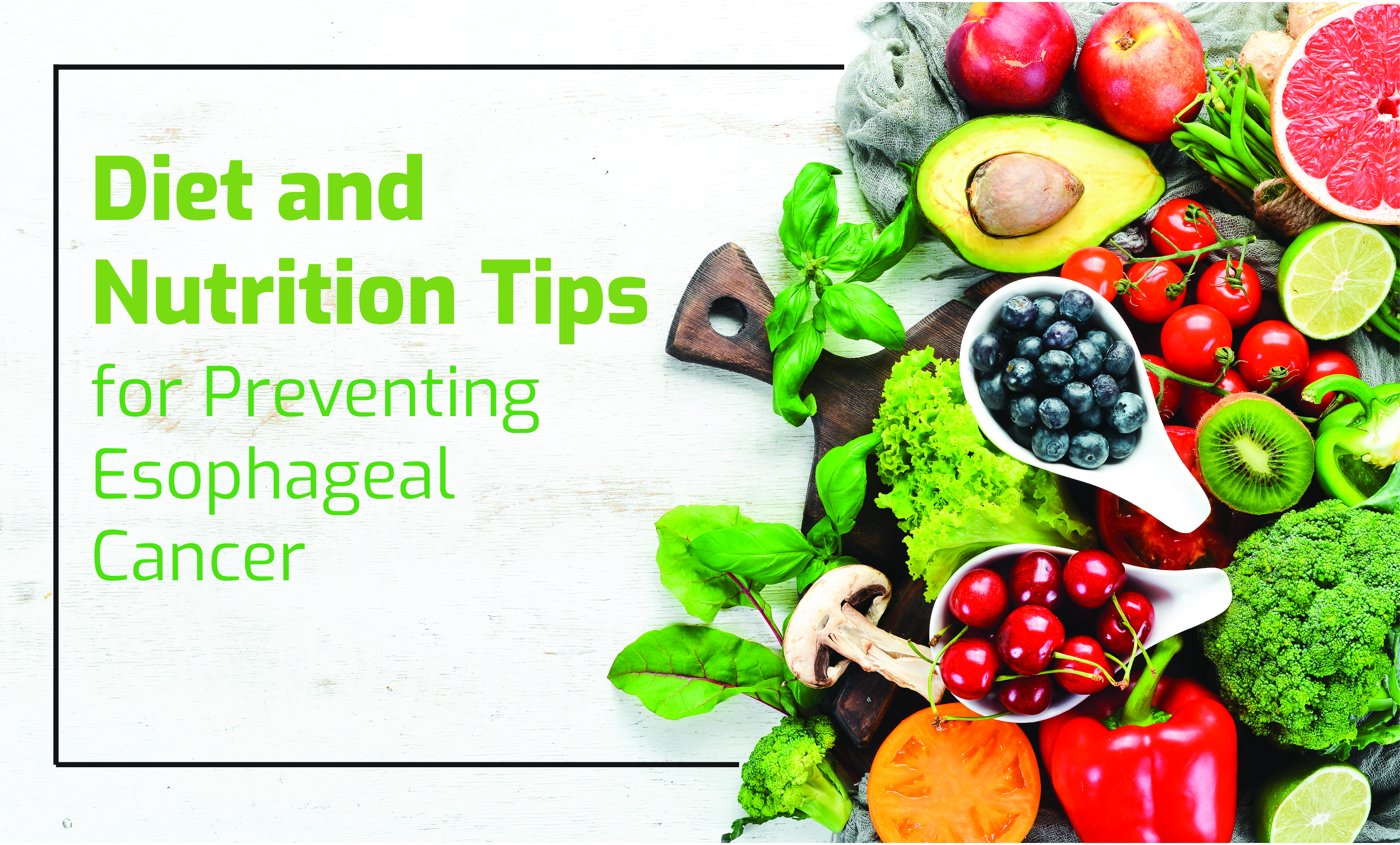
Best Diet & Nutrition Tips to Prevent Esophageal Cancer
Esophageal cancer is a serious condition that affects the food pipe (esophagus), making it difficult to swallow and leading to other health complication. While various factors contribute to the risk of developing esophageal cancer, diet and nutrition play a crucial role in prevention. By making healthy food choices and following good dietary habits, you can significantly reduce your risk of esophageal cancer.
Understanding the Link between Diet and Esophageal Cancer:
Esophageal cancer has two main types:
- Squamous Cell Carcinoma- More common in people who consume alcohol, smoke, or have a diet lacking in fruits and vegetables.
- Adenocarcinoma: Linked to acid reflux, obesity, and consumptions of processed foods
A poor diet filled with processed foods, excessive alcohol, and spicy or fired items can damage the esophagus over time. On the other hand, a balanced and nutritious diet helps maintain esophageal health and lowers cancer risk.
Best Diet and Nutrition Tips for Preventing Esophageal Cancer
- Eat Plenty of Fruits and Vegetables
Fruits and vegetables are packed with essential vitamins, minerals, and antioxidants that help fight cancer.
- Best Fruits: Apples, oranges, berries, bananas, and melons contain antioxidants that reduce inflammation.
- Best Vegetables: Leafy greens (spinach, kale), carrots, bell peppers, broccoli, and tomatoes provide essential nutrients like vitamin C, fiber, and beta-carotene.
Tip: Aim for at least 5 servings of fruits and vegetables daily.
- Increase Fiber Intake:
A fiber-rich diet promotes digestive health and reduces the risk of acid reflux, which is a major cause of esophageal cancer.
- High-Fiber Foods: Whole grains (brown rice, quinoa, oats), beans, lentils, nuts, and seeds.
- Why It Helps: Fiber aids digestion, prevents constipation, and reduces the chances of acid reflux and obesity.
Tip: Replace refined grains (white rice, white bread) with whole grains to boost fiber intake.
- Stay Hydrated with Healthy Fluids:
Drinking enough water and avoiding sugary or carbonated drinks can protect the esophagus from irritation.
- Best Choices: Water, herbal teas, fresh fruit juices (without added sugar).
- Avoid: Sugary sodas, artificial fruit juices, and too much caffeine.
Tip: Drink 8-10 glasses of water daily to keep the esophagus hydrated and functioning well.
- Limit Processed and Red Meat Consumption:
Processed meats (sausages, hot dogs, bacon) and red meats (beef, lamb, pork) are linked to increased cancer risk.
- Why Avoid Them? These meats contain harmful preservatives like nitrates that can damage the esophagus.
- Healthier Alternatives: Lean proteins like chicken, fish, tofu, and legumes are better choices.
Tip: Limit red meat intake to once or twice a week and choose grilled or baked options instead of fried.
- Reduce Acidic and Spicy Foods:
Acidic foods can trigger acid reflux, which over time may lead to esophageal damage and cancer.
- Foods to Avoid: Citrus fruits (lemons, oranges), tomatoes, vinegar-based foods, and highly spicy dishes.
- Safe Alternatives: Opt for mild flavors, herbal seasonings, and alkaline foods like bananas, cucumbers, and green leafy vegetables.
Tip: If you suffer from acid reflux, keep a food diary to identify which foods trigger symptoms.
- Cut Down on Sugar and Processed Foods:
Excessive sugar and processed foods contribute to obesity, inflammation, and acid reflux – all of which increase esophageal cancer risk.
- Avoid: Cakes, pastries, fast food, packaged snacks, and sugary cereals.
- Choose: Natural sweeteners like honey, dates, and fresh fruits.
Tip: Read food labels and avoid products with added sugars, artificial flavors, and preservatives.
- Maintain a Healthy Weight:
Being overweight increases the risk of acid reflux and esophageal cancer.
- What to Do? Exercise regularly, eat portion-controlled meals, and avoid late-night snacking.
- Healthy Weight Loss Foods: High-fiber foods, lean proteins, and healthy fats like avocados and nuts.
Tip: Aim for at least 30 minutes of physical activity daily, such as walking, jogging, or yoga.
- Quit Smoking and Limit Alcohol:
Both smoking and excessive alcohol consumption are major risk factors for esophageal cancer.
- How They Harm: Smoking weakens the esophagus lining, and alcohol increases acid production, leading to inflammation.
- Healthier Choices: Switch to herbal teas, fresh juices, and quit smoking with the help of support groups or professional help.
Tip: If you drink alcohol, limit it to occasional consumption and choose red wine in moderation.
- Eat Small, Frequent Meals:
Large meals put pressure on the stomach, leading to acid reflux.
- What to Do? Eat 4-5 small meals throughout the day instead of 2-3 heavy meals.
- Best Meal Plan: Breakfast (oatmeal with fruits), Mid-morning snack (nuts, yogurt), Lunch (grilled chicken with salad), Evening snack (smoothie), Dinner (light soup with whole grains).
Tip: Avoid lying down immediately after meals to prevent acid reflux.
- Include Anti-Inflammatory Foods:
Anti-inflammatory foods reduce esophageal irritation and promote overall digestive health.
- Best Anti-Inflammatory Foods: Turmeric, ginger, garlic, green tea, flaxseeds, and walnuts.
- How They Help: They reduce oxidative stress and protect cells from cancerous changes.
Tip: Add turmeric to curries, drink ginger tea, and include flaxseeds in smoothies for extra health benefits.
If you experience persistent acid reflux, difficulty swallowing, or frequent heartburn, consult a specialist immediately. Experts like Dr. Sanjay Sharma, an esophageal cancer specialist in Assam, and leading esophageal cancer experts in Kerala and Hubli can provide guidance and treatment options.
Dr. Sanjay Sharma is a highly respected esophageal cancer specialist in Assam, known for his expertise in diagnosing and treating cancers of the esophagus. With years of experience in oncology, he has helped numerous patients with advanced treatment options and preventive strategies. His dedication to cancer research and patient care makes him one of the leading experts in esophageal cancer in Assam, Kerala, and Hubli. Through his guidance, many individuals have learned the importance of a healthy diet and lifestyle in preventing esophageal cancer.
Preventing esophageal cancer starts with a healthy diet and lifestyle choices. By eating fiber-rich foods, staying hydrated, avoiding processed and acidic foods, and maintaining a healthy weight, you can reduce your risk significantly.
Recent Articles
Dense Breasts and Breast Cancer: When Is a Mammogram Not Enough? | Dr. Sanjay Sharma
Read More
How Quickly Should Breast Cancer Treatment Start After Diagnosis? | Dr. Sanjay Sharma
Read More